












































































































































- Home
- /Zdravljenja Zob
- /Fiksni zobni aparat
- /Fiksni zobni aparat Vietnam
Fixed Braces in Vietnam: Costs, Clinics & Treatment Planning
Najboljše od 4 klinik v Vietnam za Fiksni zobni aparat

10 najboljših zobozdravstvenih klinik na destinaciji Vietnam za terapijo Fiksni zobni aparat

WinSmile International Dental Clinic
- Straumann implants
- Nobel biocare implants
- Specialist for All on 4/6
- Specialist for Implantology
4.97(102 komentarja)
cene od€975

Worldwide Dental & Plastic Surgery Hospital
- Everything in one place
- Zygoma implants
- Specialist for All on 4/6
- Specialist for Proesthetic
4.91(11 komentarjev)
cene od€1,200

East Rose Dental Clinic
- Organize van transfer
- Specialist for Hollywood smile
4.97(35 komentarjev)
cene od€2,318

Australian Dental Clinic
- Nobel biocare implants
- Specialist for Veneers
- Best offer guaranteed
4.78(9 komentarjev)
cene od€1,195

Kontaktirajte nas, da vam pomagamo najti popolno kliniko za vaše potrebe.

Če najdete boljšo ceno neposredno v zobozdravstveni kliniki ali na drugem spletnem mestu, jo bomo izenačili ali presegli.
S pošiljanjem povpraševanja se strinjate z našimi Pogoji in Politikom zasebnosti
Oddaja obrazca na naši spletni strani ne predstavlja pravno zavezujoče pogodbe. Booking Dentist deluje izključno kot posrednik, ki povezuje paciente z zobozdravstvenimi klinikami, vse odločitve o zdravljenju pa sprejmeta neposredno pacient in izbrana klinika.
Prosimo, pustite svoje kontaktne podatke


Najbolj priljubljene klinike
Klinike z največ ocenami

Lac Viet Intech Dental Center Clinic Hanoi
- Nobel biocare implants
- Everything in one place
- Specialist for Implantology
- High quality
4.98(104 komentarji)
NeoBiotech II€457
Kovinsko keramična prevleka€69
WinSmile International Dental Clinic
- Straumann implants
- Nobel biocare implants
- Specialist for All on 4/6
- Specialist for Implantology
4.97(102 komentarja)
Direct vstavitev vsadka€584
Kovinsko keramična prevleka€65

Lac Viet Intech Dental Center Clinic Ho Chi Minh City
- Nobel biocare implants
- Everything in one place
- Specialist for Implantology
- High quality
4.96(102 komentarja)
NeoBiotech II€457
Kovinsko keramična prevleka€69

Smart Dental
- Straumann implants
- Organize van transfer
- Specialist for All on 4/6
- Specialist for Implantology
4.95(82 komentarjev)
Straumann implant€1,720
East Rose Dental Clinic
- Organize van transfer
- Specialist for Hollywood smile
4.97(35 komentarjev)
Kovinsko keramična prevleka€116
Dentium impianti€739
Worldwide Dental & Plastic Surgery Hospital
- Everything in one place
- Zygoma implants
- Specialist for All on 4/6
- Specialist for Proesthetic
4.91(11 komentarjev)
Biohorizons implantat€500
Kovinsko keramična prevleka€110

Dr. Care Implant Clinic
- Straumann implants
- Nobel biocare implants
- Specialist for All on 4/6
- Specialist for Implantology
4.91(11 komentarjev)
Nobel Biocare implantat€870

Viet Bi Premium Dental Clinic
- Straumann implants
- 20+ years of experience
- Specialist for Implantology
- High quality
4.8(10 komentarjev)
Straumann implant€501
Kovinsko keramična prevleka€80

BeDental Premium Clinic Ho Chi Minh
- Straumann implants
- Everything in one place
- Specialist for All on 4/6
- Awarded doctors
4.88(8 komentarjev)
Osstem implantat€763
Australian Dental Clinic
- Nobel biocare implants
- Specialist for Veneers
- Best offer guaranteed
4.78(9 komentarjev)
Nobel Biocare implantat€1,075
Kovinsko keramična prevleka€102
Zobozdravstveni turizem na lokaciji Vietnam
Fixed Braces in Vietnam: Your Treatment Guide
Choosing where to start orthodontic treatment involves more than comparing fitting fees. You need a provider you can return to for adjustments, a clear payment agreement and a plan for any change in your travel or living arrangements.
Vietnam may be a practical option if you are based there for work or study, or can reliably return for the appointments your clinician requires. For a short holiday, an assessment can help you explore options, but starting treatment needs a plan that extends beyond your departure date.
Why Consider Treatment in Vietnam?
Published Vietnamese clinic price lists give you a starting point for comparing appliance options and budgets. However, any saving depends on the complete cost: clinical appointments, additional dental work, retainers, travel and possible transfer fees.
If you already live in Hanoi or Ho Chi Minh City, selecting a clinic near your everyday base may make regular appointments easier to manage. If you live abroad, first compare the cost and practicality of repeated visits with a complete quote from a provider near home.
Is It Suitable for a Short Visit?
Fixed-braces treatment commonly takes around 18–24 months, with adjustment appointments often scheduled every 6–8 weeks. Your individual plan may differ. These general clinical timeframes explain why a short stay cannot cover a complete course.
Before agreeing to fitting in Vietnam, confirm the next appointment dates and what happens if you cannot return. Do not assume that another clinic will provide routine adjustments without first accepting your case.
Types of Fixed Braces Available
Vietnamese price lists include conventional metal, ceramic and self-ligating options. Availability varies by clinic. Ask which system your clinician recommends and why it fits your bite, budget and care arrangements.
Metal Braces
Metal brackets and wires are visible on the teeth. In the price lists reviewed, conventional metal options cost less than ceramic options within the same clinic. Request the full treatment fee before comparing a low deposit or monthly payment.
Ceramic Braces
Ceramic brackets blend more closely with tooth colour, although wires and other components can remain visible. Ask whether the proposal uses ceramic brackets on both arches and whether your bite affects their suitability.
Self-Ligating Braces
Self-ligating brackets hold the wire with a built-in clip. This design does not establish that a system will deliver better results, and it should not be treated as a promise of fewer trips to Vietnam. Confirm your actual review schedule with the treating clinician.
Safety and Choosing a Clinic in Vietnam
Safety depends on the individual provider, assessment and ongoing care. Vietnam's Law on Medical Examination and Treatment regulates healthcare practitioners and facilities. Ask for the clinic's operating licence and the treating clinician's current practice authorisation, including relevant scope. Verify these for the branch where you will receive treatment.
Check Who Will Manage Your Treatment
Before booking, establish:
The name of the clinician responsible for diagnosis and treatment planning.
Their recognised qualifications and training relevant to orthodontics.
Who will carry out regular adjustments and provide cover during absences.
Whether you can discuss consent, costs and problems in a language you understand.
How to obtain your records if you move within Vietnam or return overseas.
A clinic brand or advertised bracket system does not replace checks on the person treating you. If a provider uses the title “specialist”, ask which qualification supports it.
Understand the Risks and Your Responsibilities
Orthodontic treatment can involve enamel demineralisation or decay, gum problems, changes to tooth roots and relapse after treatment. Your clinician should explain your individual risks and how they will monitor them.
Request written consent information and ask who you should contact for a broken appliance or an unexpected problem while you are elsewhere in Vietnam. Confirm the arrangements before fitting, particularly if your itinerary takes you away from the treating city.
HCompare the Complete Care Plan
When shortlisting clinics, compare the diagnosis, proposed appliance, expected duration, appointment frequency and retention plan alongside price. Ask for a written explanation of alternatives and any additional procedures proposed.
For international patients, include practical questions: can you attend the required reviews, can the clinic provide records in English, and has a receiving clinician agreed to any planned transfer? These details should be settled before paying for a course of treatment.
Fixed Braces Cost in Vietnam: Price Comparison
The table below compares indicative published prices for fixed metal braces in Vietnam, the UK, Australia, USA and Canada. Prices are shown in local currencies, and treatment scope and inclusions vary between providers.
Fixed Braces Cost in Vietnam: Price Comparison
Treatment | Vietnam (USD) | UK (£) | Australia (AUD) | USA (USD) | Canada (CAD) |
|---|---|---|---|---|---|
Fixed Metal Braces* | US$1,370–US$3,520 | £1,800–£5,000 | A$6,000–A$9,000 | US$3,000–US$7,000 | C$3,000–C$7,500 |
Find Affordable Fixed Braces in Vietnam with Booking.Dentist
Finding affordable orthodontic treatment means comparing the complete cost of care, including the practical expense of attending regular appointments in Vietnam.
When comparing clinics, check:
Whether the price covers one arch or both arches.
The type of brackets and wires.
Consultation, X-rays and scanning charges.
Whether routine adjustments are included throughout treatment.
Charges for emergency bracket and wire repairs.
Additional appliances or procedures.
Retainers and post-treatment reviews.
Payment arrangements and eligibility for instalments.
Travel, accommodation and any treatment-transfer costs.
Booking.Dentist provides a starting point for exploring clinic profiles and requesting quotations. Tell your shortlisted clinic whether you live in Vietnam or will travel for appointments, and request an itemised plan following a clinical assessment.
Fixed-Braces Packages in Vietnam
For orthodontic treatment, the most useful package is one that clearly defines the care provided from assessment through removal and retention. A fitting appointment and a short hotel stay tell you little about the cost of the following months.
Ask whether the quoted plan covers the complete intended course, which services are excluded and what happens if treatment takes longer than estimated. If payment is divided into instalments, request the total payable and check whether the advertised terms apply to international patients.
What Does “All-Inclusive” Cover?
Ask the clinic to list included adjustments, records, repairs, retainers and review visits. Confirm how charges are handled if you relocate, miss appointments or need an additional procedure.
Accommodation, airport transfers and interpreter support should be itemised separately if offered. For treatment in Vietnam, also establish whether travel services apply only to the first visit or to later appointments. Do not assume that a dental package includes repeated flights or long-term accommodation.
Choosing Hanoi or Ho Chi Minh City
The practical starting point is the city you can keep returning to. Booking.Dentist has destination pages for Hanoi and Ho Chi Minh City; confirm fixed-braces availability with each shortlisted clinic.
Hanoi
Hanoi may suit patients whose work, study or family base is in northern Vietnam. International arrivals use Noi Bai Airport. When comparing clinics, map the exact branch against your accommodation and everyday journeys.
If you will stay outside the city between appointments, agree on how you will return for reviews and urgent repairs. Ask the clinic to confirm its opening hours around Tet before arranging travel.
Ho Chi Minh City
Ho Chi Minh City may be more convenient if your base is in southern Vietnam. Tan Son Nhat is an international arrival airport serving the city; check the airport shown on your actual itinerary before arranging a transfer.
For a clinic with multiple branches, ask where your treating clinician works and whether records and appointments can be coordinated between locations. Being part of the same group does not automatically confirm that another branch can continue your treatment.
Choose Accommodation Around Your Appointments
Once you know the treating branch, compare nearby accommodation and the journey to the clinic. Prioritise a location that works for repeat attendance. If you need step-free access, a lift or other assistance, confirm the specific facilities directly rather than relying on the destination page.
Planning Your Treatment and Travel
Arrange the Appointment Schedule First
Send the clinic your expected arrival date, length of stay and likely periods outside Vietnam. Request an initial assessment itinerary, the proposed review schedule and an emergency contact before committing to treatment-related travel.
If you are relocating, explain how long you expect to remain in the country. If you are visiting relatives or travelling for work, check whether those visits genuinely align with the clinician's required appointments.
Check Entry Permission and Holiday Availability
Vietnam's official consular guidance describes e-visas valid for up to 90 days, with single-entry and multiple-entry options. Eligibility and permitted stay depend on your circumstances and approval. Check the current requirements through the official immigration portal before booking.
An e-visa does not cover a multi-year treatment course. If you need later visits, plan the relevant entry permissions separately. Ask the clinic about Tet and other holiday opening hours, including the availability of the clinician who manages your treatment.
Plan Communication Between Visits
Confirm the clinic's contact channel and response arrangements, and keep copies of the written plan, invoices and appointment schedule. Ask when a problem requires an in-person visit. Photos or video calls cannot perform the physical adjustments a fixed appliance may need.
The Fixed-Braces Treatment Process
1. Assessment and Records
Your clinician assesses your teeth, bite and oral health, with diagnostic records as appropriate. At this stage, explain your residence and travel plans so the proposed course is realistic.
2. Written Plan and Agreement
Review the proposed appliance, expected duration, risks, fees and visit schedule. Confirm any preliminary dental treatment and who is responsible for continuing care if you leave Vietnam.
3. Fitting the Appliance
Brackets are bonded to the teeth and connected by a wire. Ask for instructions in a language you understand and confirm how to contact the clinic after fitting. [4]
4. Reviews and Adjustments
Attend the appointments set by your clinician. For care in Vietnam, arrange work and travel around those reviews and discuss changes promptly rather than allowing your next trip to determine the interval.
5. Removal and Retention
When treatment is complete, the appliance is removed and retention follows. Confirm the retainer type, wear instructions, review arrangements and replacement costs, especially if you will be living abroad.
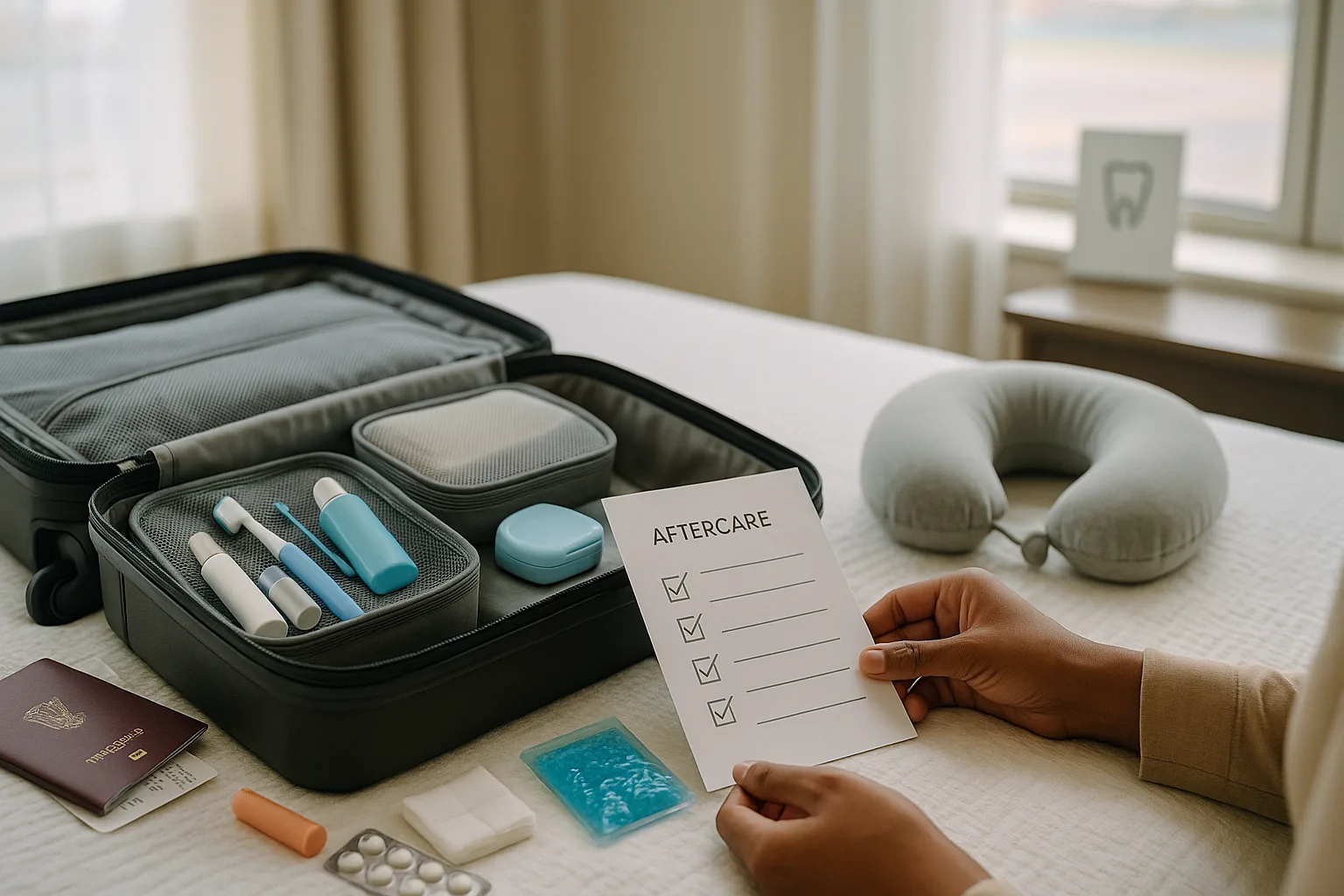
Aftercare and Continuing Treatment Overseas
Everyday Care in Vietnam
Follow the cleaning and food instructions supplied by your clinician, and continue general dental check-ups. Soft foods may be easier just after fitting; Vietnamese options such as plain cháo can be practical, provided the texture and ingredients suit your clinician's advice.
Contact your treating clinic about damaged brackets or wires rather than waiting until your next planned trip. Keep the clinic's details accessible when travelling away from Hanoi or Ho Chi Minh City.
If You Need to Move or Return Home
Arrange a transfer before departure. Ask a receiving clinician to assess whether they can accept the case and confirm their fees. Different approaches and appliances can complicate a transfer, so continuity with the original provider is preferable where feasible.
Request copies of the diagnosis, original records, appliance details, progress notes and payment agreement. Have both clinics clarify responsibility for routine care, urgent problems and retention. A referral letter alone does not establish that another clinician has accepted your treatment.
Request Your Fixed-Braces Treatment Plan
Considering treatment in Vietnam? Start with a plan that brings the clinical proposal, complete costs and appointment requirements together.
Explore Booking.Dentist's Vietnam clinic profiles and ask about fixed-braces availability. Tell the clinic your preferred city, length of stay and ability to attend regular reviews so you can make an informed decision before treatment begins.
Pogosta vprašanja
How much do fixed braces cost in Vietnam?
Published clinic examples place metal-braces fees in Vietnam at approximately US$1,370–US$3,520, converted from VND 35–90 million. These are indicative prices from selected providers, not a national average. Your final quote depends on treatment complexity and inclusions. Confirm whether it covers both arches, regular adjustments and retainers. USD amounts vary with exchange rates.
What should the price of fixed braces include?
Ask for an itemised quote covering assessment, diagnostic records, brackets and wires, scheduled adjustments, brace removal and retention. Check whether extractions, additional appliances, emergency repairs and replacement retainers cost extra. For treatment in Vietnam, also budget for accommodation and transport whenever you need to return for appointments.
Is it safe to get fixed braces in Vietnam?
Safety depends on the individual clinic, treating clinician and ongoing care. Before booking, verify the clinic’s operating licence and the clinician’s practice authorisation and orthodontic training. Vietnam regulates healthcare practitioners and facilities under its Law on Medical Examination and Treatment. Ask how the provider explains risks, monitors progress and handles complications.
How long does fixed-braces treatment take?
Fixed-braces treatment commonly takes around 18–24 months, although your individual course may be shorter or longer. Ask your clinician in Vietnam for an estimated timeline based on your assessment. Plan for the complete course, including retention after the braces are removed, rather than only the initial fitting appointment.
How often will I need adjustment appointments?
Adjustment appointments are often scheduled every 6–8 weeks, but your treating clinician determines the appropriate interval. Before starting treatment in Vietnam, confirm how this schedule fits your residence or travel plans. Do not assume appointments can be postponed until your next convenient trip.
Can I start fixed-braces treatment during a holiday in Vietnam?
A short visit may allow an assessment and, where appropriate, fitting. However, the complete treatment requires ongoing appointments over many months. Before starting, agree on where those appointments will take place and who will manage your care after you leave Vietnam. A holiday alone is not a complete treatment plan.
Can an orthodontist at home continue treatment started in Vietnam?
Possibly, but a transfer must be arranged in advance. The receiving clinician needs to review your records, appliance and progress before accepting the case. Different treatment approaches can complicate transfers. Confirm acceptance, additional fees and responsibility for ongoing care before leaving Vietnam.
Should I choose Hanoi or Ho Chi Minh City for fixed braces?
Choose the city where you can attend appointments most consistently. Hanoi may be more practical if your base is in northern Vietnam, while Ho Chi Minh City may suit patients based in the south. Compare the treating clinician, exact branch location and appointment availability alongside price.
Are metal or ceramic braces better?
The appropriate option depends on your bite, preferences and clinical assessment. Metal brackets are more visible, while ceramic brackets blend more closely with tooth colour. Ceramic brackets are not suitable for every situation. Ask your Vietnamese provider to explain the recommendation and quote for the specific appliance proposed.
Can adults have fixed braces in Vietnam?
Yes, adults can receive orthodontic treatment, subject to an individual assessment. Your clinician should examine your teeth, bite and oral health before recommending an appliance. If you are moving to Vietnam or expect to leave during treatment, discuss those dates at your first consultation.
Will I need retainers after my braces are removed?
Yes. Retainers help prevent teeth from moving back after orthodontic treatment. Your clinician will explain the required wear schedule. Before completing treatment in Vietnam, confirm whether retainers, review appointments and replacements are included, and arrange follow-up care if you will be living overseas.
How can Booking.Dentist help me arrange treatment?
Booking.Dentist provides a starting point for exploring clinic profiles in Vietnam and requesting quotations. Tell your shortlisted clinic your preferred city, expected length of stay and ability to attend regular appointments. Request a written treatment plan with clear costs and follow-up arrangements before committing.