






































































- Home
- /Dental Tourism Poland
Dental Tourism in Poland
Dental tourism in Poland combines competitive treatment prices with more than 30 clinics across major cities such as Warsaw, Krakow and Gdansk, internationally recognized implant systems, CAD/CAM and 3D diagnostics, and English-speaking support at many clinics. For patients considering implants, crowns, veneers or full-arch treatment, Poland offers a practical European option with straightforward travel and a wide choice of clinics.
Why Is Poland a Top Dental Tourism Destination?
Competitive Prices on Major Treatments
Poland can offer a substantial price difference on higher-value dental care. Current Booking Dentist listings include implant placement from around €488, All-on-4 from around €3,310 and zirconia crowns from around €328, making the destination especially relevant for patients comparing implants, crowns and full-arch treatment.
30+ Clinics Across Major Polish Cities
Booking Dentist lists more than 30 clinics across Poland, with the widest choice in Warsaw and Krakow and additional options in Gdansk, Wroclaw, Lodz, Szczecin and Poznan. This gives international patients a broad range of locations, treatment focuses and price points to compare.
EU-Based Care With Modern Dental Technology
Poland is an EU and Schengen member state, and many listed clinics highlight modern digital dentistry, CAD/CAM workflows, 2D and 3D imaging and internationally recognized implant systems such as Straumann and Nobel Biocare.
Easy European Access for International Patients
Warsaw, Krakow and Gdansk are major European transport hubs, while rail and road connections also make Poland convenient from neighboring countries. Many clinics that regularly treat international patients provide English-speaking support, and selected clinics also offer German-language communication, airport transfers or accommodation assistance.
Poland Dental Prices in 2026 (Example Rates)
Procedure | Poland from* | UK benchmark | US benchmark | Potential saving (up to) |
Single implant placement | €488 | €2,700 | €4,000 | ~88% |
All-on-4 full arch | €3,310 | €16,000 | €22,000 | ~85% |
Zirconia crown | €328 | €1,100 | €1,800 | ~82% |
*Entry-level prices from partner clinics in Krakow, Warsaw, Poznan, Gdanks & Szczecin. Full quote after a free e-consultation.
Highly-Rated Poland Dental Clinics for International Patients and Dental Tourism
These clinics are featured for their patient feedback, treatment range and experience supporting patients traveling for dental care. Compare implant systems, restorative options, clinic amenities and treatment prices to find the option that best fits your needs.

Apolonia Dental
- Straumann implants
- Specialist for Implantology
- New on Booking.dentist
- Hot deals
4.9(31 reviews)
Neodent implants€804
All on 4 dental implants€3,310

STO DENT Specjalistyczny Gabinet Dentystyczny
- Everything in one place
- Awarded clinic
- Best offer guaranteed
- High demand
4.98(35 reviews)
Direct Implant insertion€615
Metal ceramic crown€264

Interdent
- Straumann implants
- Specialist for All on 4/6
- Free accommodation next to clinic
4.91(11 reviews)
Straumann implants€750
All on 4 dental implants€5,200
Metal ceramic crown€500
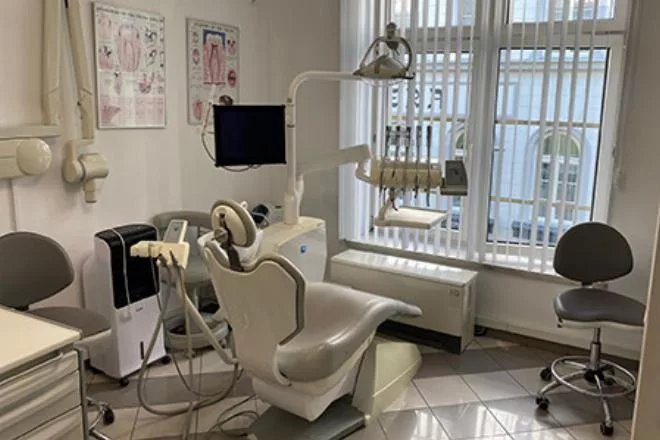

Denta-line
- Nobel biocare implants
- Best offer guaranteed
- Free accomodation next to clinic
4.95(30 reviews)
Nobel Biocare implants€780
All on 4 dental implants€5,450
Metal ceramic crown€520



How Long Is a Typical Dental Tourism Trip to Poland?
Treatment / stage | Typical timeline |
Crowns / veneers | Often 3–7 days for a short restorative trip |
Single implant placement | Can often be completed within a short treatment visit; exact stay is case-dependent |
Implant healing | A healing period at home is usually required before the final restoration |
Implant final restoration | A later visit may be required for the final crown or bridge |
All-on-4 / All-on-6 | Timeline depends on the treatment protocol and whether temporary and final teeth are staged |
Popular Dental Treatments for Tourists in Poland

Visa Requirements for Dental Tourism in Poland (Schengen)
Poland is part of the Schengen Area, so entry requirements depend on your nationality and travel documents. Short stays in Poland are generally governed by the Schengen 90-days-in-any-180-day-period rule.
• EU / EEA / Swiss citizens: No visa is required; travel with a valid passport or national ID card.
• UK, US, Canadian and Australian citizens: Generally eligible for visa-free short stays of up to 90 days within any 180-day period.
• Other nationalities: A Schengen short-stay visa may be required before travel.
If your treatment involves two visits several months apart, check your total time spent in the Schengen Area across both trips. Entry rules can change, so always confirm the latest requirements with an official Polish government or consular source before booking flights.
Dental Tourism in Poland for UK Patients
Poland is a practical option for UK patients comparing high private-dentistry costs with treatment abroad. Direct and connecting flights serve Warsaw, Krakow and Gdansk, while many restorative treatments can be planned around a short city stay.
The price difference can be particularly significant for dental implants, All-on-4 treatment and crowns. UK citizens can generally visit Poland visa-free for up to 90 days within a 180-day period, giving most dental trips more than enough time for treatment and follow-up appointments.
Dental Tourism in Poland for US & Canadian Patients
For US and Canadian patients, Poland generally makes the most financial sense for higher-value or comprehensive treatment plans rather than a single inexpensive procedure. Multiple implants, full-arch restorations and extensive crown work can create a larger overall price difference compared with private treatment at home.
US and Canadian citizens can generally enter Poland and the wider Schengen Area visa-free for short stays of up to 90 days within any 180-day period. If your implant treatment is staged, confirm the clinical timeline before arranging both trips.
Dental Tourism in Poland for German, Austrian & Swiss Patients
Poland is particularly accessible for patients from Germany, Austria and Switzerland thanks to short flights, international rail routes and road connections. Western Polish cities such as Szczecin, Wroclaw and Poznan can be especially convenient for patients traveling overland, while Warsaw and Krakow offer the broadest clinic choice.
Many clinics serving international patients provide English-language support, and selected clinics also communicate in German. If German-language coordination is important to you, confirm availability with the clinic before booking.
How to Compare Poland Dentist Prices Fairly
When comparing dentist prices in Poland—whether you are looking at Warsaw, Krakow, Gdansk or another city—the headline price rarely tells the full story. Two clinics can quote different totals for what appears to be the same treatment because the implant system, restorative material, diagnostics, laboratory work and additional procedures included in each quote are different.
What to check before comparing quotes
• Treatment scope: Confirm whether an implant quote covers only the fixture or the complete fixture + abutment + crown restoration.
• Materials and brands: Check the implant system, crown or veneer material and whether premium-brand options change the price.
• Diagnostics and extras: Confirm whether panoramic X-rays, CT/CBCT imaging, extractions, bone grafting, sedation or other procedures are included.
• Laboratory work: Check whether CAD/CAM work, lab fees and temporary restorations are included in the quoted price.
• Travel support: Confirm whether airport transfers, local transportation or accommodation assistance are included or charged separately.
• Warranty and aftercare: Compare what is covered, for how long and how revisions or follow-up are handled after you return home.
The best-value clinic is usually the one that combines suitable clinical experience, appropriate materials and a transparent written treatment plan—not simply the lowest advertised price. Request an itemized quote and compare like for like before making your decision.
What's Included in Your Dental Tourism Package?
Clinics experienced in dental tourism in Poland often go beyond the treatment itself, offering structured coordination and practical support for international patients.
What's included depends on the clinic and treatment plan, but commonly covers:
• Diagnostics — panoramic X-ray, 2D/3D imaging or CT/CBCT where clinically needed.
• Written treatment plan and schedule — itemized pricing, proposed procedures, materials and expected timeline.
• Transfer and accommodation assistance — airport pick-up, local transfers, hotel recommendations or accommodation near the clinic where offered.
• Specialist consultation — examination and treatment planning before the main procedure begins.
• Temporary restorations — temporary crowns, teeth or prostheses where required during multi-stage treatment.
• International-patient coordination — support with appointments, communication and travel-related questions.
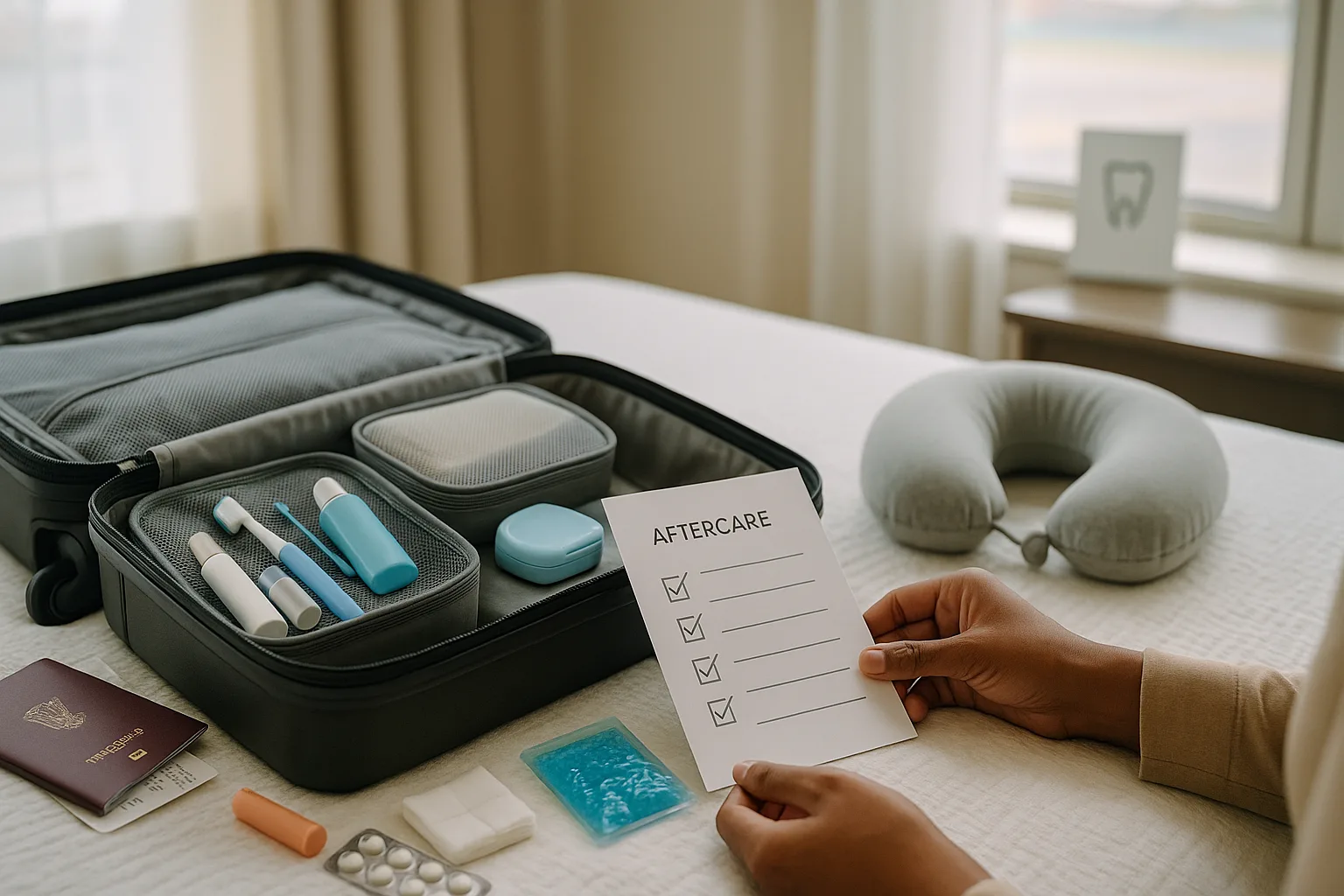
• Aftercare instructions and warranty terms — guidance on recovery, follow-up care and what is covered after you return home.
Not all services are automatically included, and packages can vary significantly between clinics. Before booking, confirm exactly what is covered for implants (fixture vs. abutment vs. crown), temporary teeth, sedation, extractions, bone grafting, laboratory fees, accommodation, transfers and any future revisions, as these details can have the biggest impact on the final cost.
Your questions about Dental Tourism in Poland
Is dental treatment in Poland safe?
Yes. Dental treatment in Poland is very safe. Clinics follow strict EU healthcare regulations, use modern equipment, and maintain high hygiene standards. Many dentists are internationally trained and speak English.
How much can I save on dental treatment in Poland?
Patients typically save up to 50–70% compared to the UK, USA, and Western Europe, while still receiving high-quality dental care and materials.
How much do dental implants cost in Poland?
Dental implant prices in Poland usually range from €500 to €1,200 per implant, depending on the clinic, implant system, and complexity of the case.
Why do people travel to Poland for dental tourism?
People choose Poland for dental tourism because it offers:
Affordable treatment costs
High-quality dental care
Modern clinics and technology
Easy access from Europe
Fast appointment availability
Opportunity to combine treatment with travel
Which cities are best for dental treatment in Poland?
The most popular cities for dental tourism in Poland are:
Warsaw – advanced clinics and capital city
Kraków – most popular for international patients
Gdańsk – coastal city ideal for recovery
How long do I need to stay in Poland for dental treatment?
Most treatments require 3 to 7 days, depending on the procedure. Complex treatments like All-on-4 or full mouth restorations may require longer stays or multiple visits.
What dental treatments are popular in Poland?
The most common treatments include:
Dental implants
All-on-4 / All-on-6
Veneers (Hollywood Smile)
Crowns and bridges
Smile makeovers
Cosmetic dentistry
Can I combine dental treatment with a holiday in Poland?
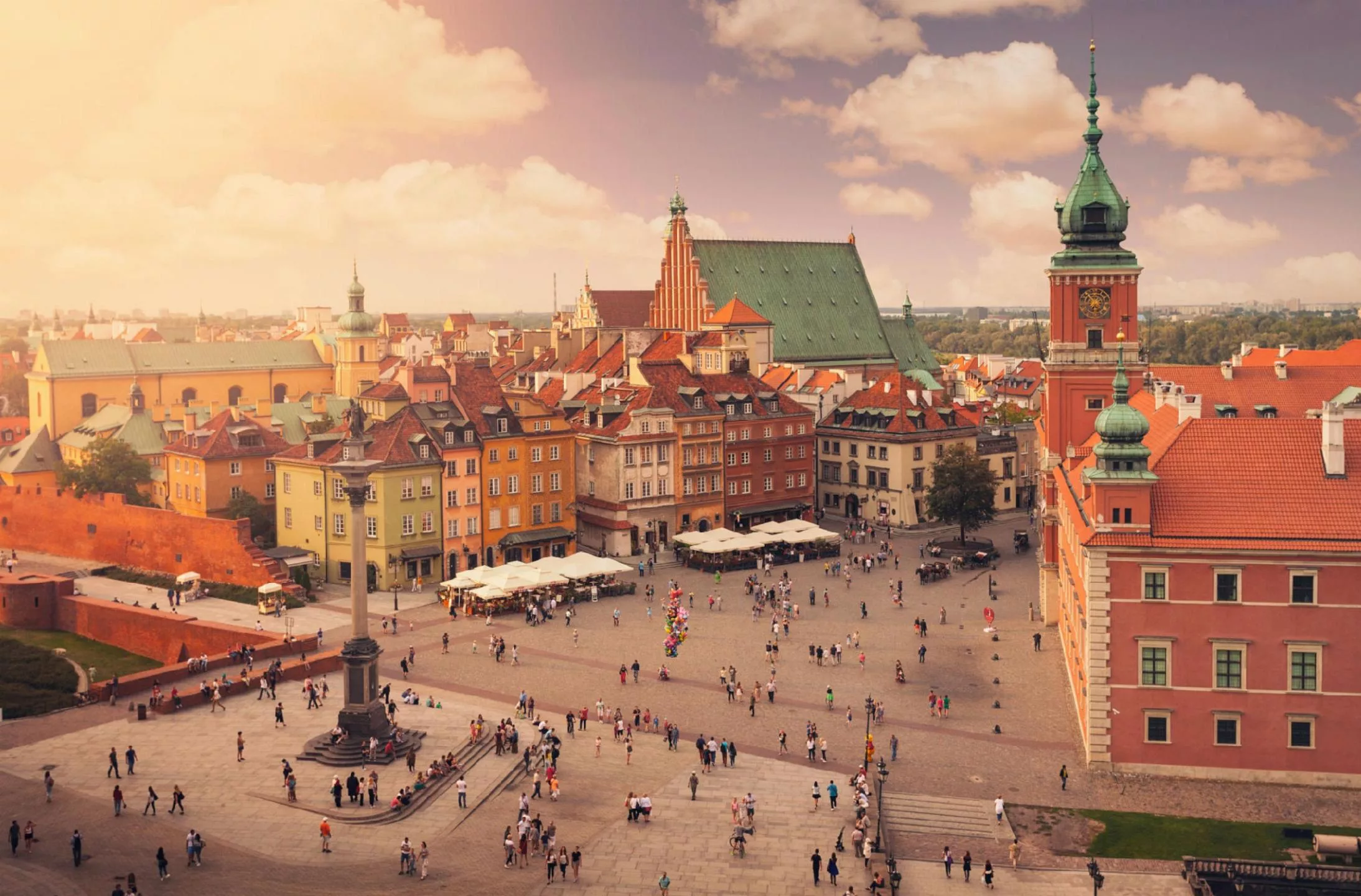
Yes. Many patients combine treatment with sightseeing in cities like Warsaw, Kraków, and Gdańsk, enjoying culture, food, and European city experiences between appointments.
Do dental clinics in Poland accept international patients?
Yes. Most private clinics are specialized in international patients and offer:
English-speaking staff
Online consultations
Card and bank transfer payments
Full treatment coordination
Are dentists in Poland qualified?
Yes. Polish dentists are highly qualified, many with international training and certifications, and regularly attend European dental conferences and advanced training programs.
Is Poland a good alternative to Turkey or Hungary for dental tourism?
Yes. Poland is considered a strong alternative due to its:
EU healthcare standards
High-quality dental materials
Modern clinics
Competitive pricing
Easy European travel access
How do I start my dental treatment in Poland?
You can start by sending your:
X-rays
Dental photos
Medical history (if available)
You will receive a free treatment plan with pricing and timeline within 24–48 hours.
Do I need multiple visits for dental implants?
It depends on the case. Some implants can be completed in one trip (3–7 days), while more complex cases may require a second visit after healing.
Is it easy to travel to Poland for dental treatment?
Yes. Poland has excellent transport connections with:
Direct flights from Europe
International airports in Warsaw, Kraków, and Gdańsk
Affordable accommodation and transport options
Can I get a full smile makeover in Poland?
Yes. Many patients travel to Poland for complete smile makeovers, combining veneers, crowns, whitening, and implants into one personalized treatment plan.